
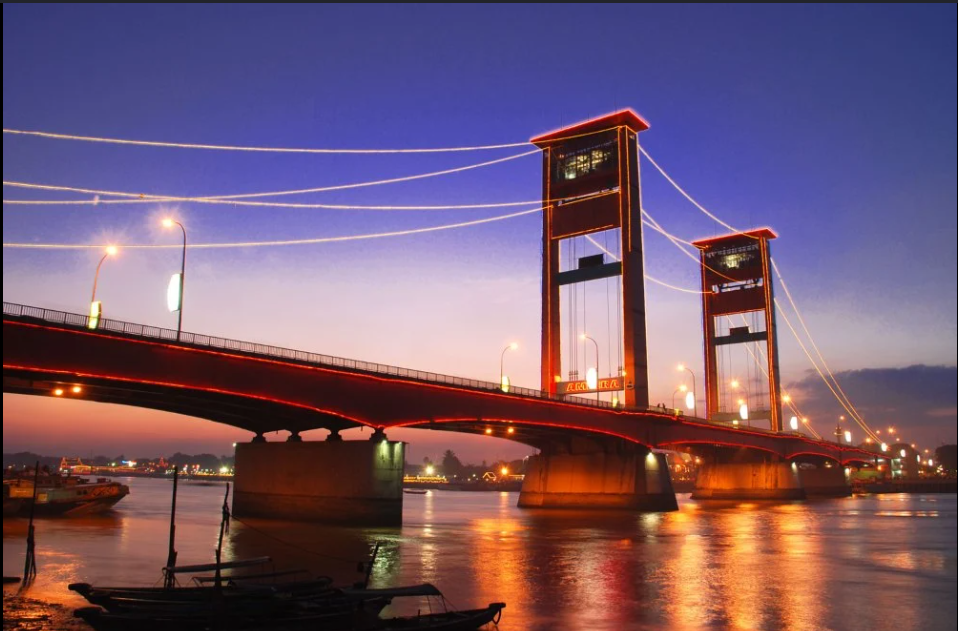
Rapid urbanization in Indonesia’s secondary cities presents numerous challenges to achieving inclusive urban governance. Palembang, a metropolitan area in Sumatra, faces these challenges amidst population growth, massive infrastructure development, and various urban issues such as poverty, congestion, flooding, limited access to public transportation, and suboptimal infrastructure for vulnerable groups.
This study examines Palembang’s readiness for more inclusive urban planning using the right to the city framework. It examines the gap between image- and infrastructure-oriented urban development and the needs and participation of citizens, particularly vulnerable groups, people with disabilities, women, and religious minorities. It also identifies how reactive, top-down policy approaches have the potential to perpetuate various forms of exclusion in urban life.
Drawing on Palembang’s experience and lessons learned from inclusive urban planning practices in various Indonesian and global cities, this study aims to identify leading practices, factors influencing their success, and contextual policy lessons for Palembang. The study’s findings are expected to serve as a foundation for strengthening Palembang’s governance to be more inclusive, resilient, and sustainable.
Research Leads
- Delia Wildianti
- Sri Budi Eko Wardani
- Nurul Nurhandjati
Partners: Palembang City Government
Download: Full Report

